Virtual Reality is a powerful and immersive technology that is beginning to become more prevalent in classrooms across the world and has the potential for some truly astonishing learning outcomes. Virtual Reality can transport students to completely new worlds of their own creation, put them in the shoes of astronauts in space or send them back in time to when dinosaurs ruled the world. The possibilities are truly endless.
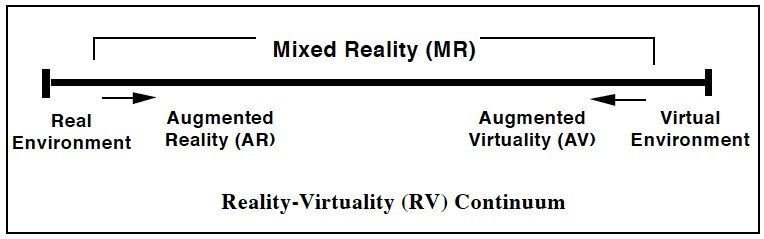
Immersive Virtual Reality (IVR) sits on the furthest end of Milgram’s Reality-Virtuality Continuum (pictured below). In this context, immersion refers to the subjective impressions that one is participating in a realistic experience (Dede 2009). IVR differs to standard desktop virtual reality, as there is no ‘reality check’ where you can real life surroundings outside the screen. When using IVR you are literally surrounded by the virtual environment no matter where you look (Southgate 2018). This has significant implications for education and allows for students to adopt multiple perspectives, engage in situated learning and transfer knowledge (Dede 2009).
How VR can be used in the classroom
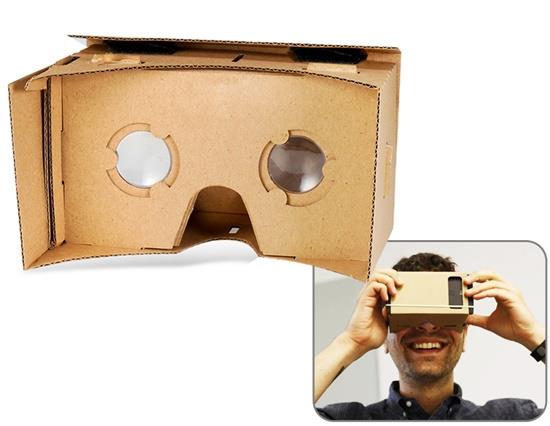
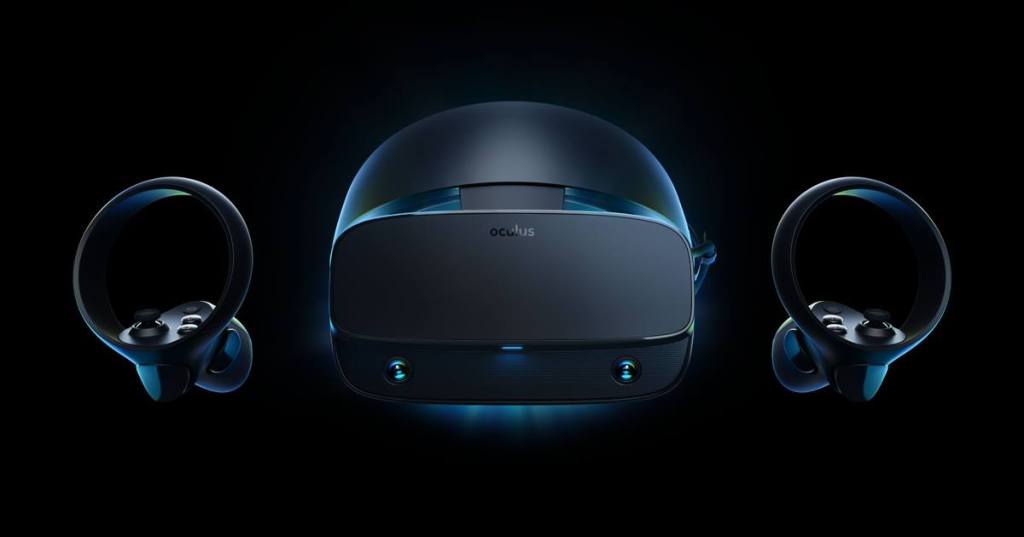
VR can be used in a number of different ways, with the most immersion coming from the use of head mounted displays (HMDs). HMDs can vary widely in their cost. Higher end HMDs include the Oculus Rift S, which comes with two controllers, one for each hand that the participant uses to interact with the virtual world. This creates an extremely immersive experience, however it comes at a high cost of $649 per unit, which can be a significant barrier for entry for schools. Luckily, there are cheaper alternatives such as Google Cardboard, where students need only to insert their phone to have an immersive VR experience. Whatever method is chosen some safety considerations should be noted, such as primary school children believing that IVR experience were real events, students getting motion sickness and students hurting themselves by falling over or bumping into something in the physical environment.
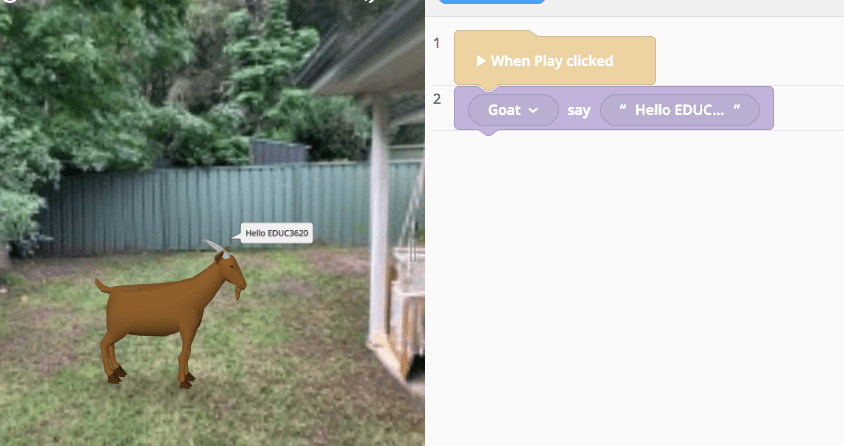
CoSpaces is a tool educators can use to help foster creativity through VR. In CoSpaces, students have the ability to create and share their own virtual world. This can be done through importing backgrounds and objects from the CoSpace library or by importing their own environment in the form of a 360 degree image. This is a good tool for both primary and secondary age students, with worlds being able to be created through simple drag and dropping of objects, all the way through to the coding of animations.
References:
- Dede, Chris. (2009). Immersive interfaces for engagement and learning.(PERSPECTIVE)(Author abstract)(Essay). Science, 323(5910), 66-69.
- Southgate, E. (2018). Immersive virtual reality, children and school education: A literature review for teachers.
 Joshua Moore's ePortfolio for EDUC3620
Hi Josh
Great blog, I like your definitions and examples of the various types of VR, their functionalities, affordances and possibilities they offer students. Your first paragraph defining VR was engaging and persuasive in terms of encouraging teachers to consider integrating VR into learning experiences. Your definitions and examples of the VR head-mounted displays and Cospaces were succinct and informative. You gave great examples of their creative possibilities and classroom and school usage. You also identified the negatives of integrating VR, which also need to be taken into consideration when considering implementation of VR in schools. However I would’ve liked to see how VR could specifically be integrated into subjects such as, Maths, Science, History etc with curriculum links.
LikeLike
Thank you for the compliments! Yes, some specific examples of VR being integrated into different subject areas could have strengthened my post, I will keep this in mind to inform my future posts!
LikeLike